Curiosity ~ Lucidity ~ Humanity

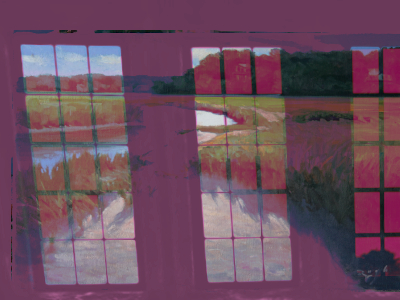
There was a house. It sits in sunken sand, swaying with the wind and tides. Gusts squeeze through drafts and imperfections, producing a howl. The kind of howl a wolf makes towards the moon.
The house is blindfolded – thin, salt-crusted plywood shielding its windows to the world. The house has nothing to do but sit, waiting, wanting.
The house finds company within -- the mice that tickle its floorboards. But even they, after they’ve found every crumb that lies in every crack, huddle up together in some corner of the house’s bosom sleeping time away.
The cool heat of the winter sun waxes as the frigid night wanes. Until the house wakes to the whirling of a drill, lazily pulling screws from its eyes. The sheets of plywood that imprisoned her are tucked away under the porch, a reminder of times to come.
The man with the drill is joined by other men. They wear crew-neck sweaters and cargo pants as they sand this and polish that. The house is inspected, plank by plank, and spruced up. They skin the house, removing its shingles which have rotted to the wet salty winter gusts. Replaced with clean, sawdust smelling pine, the house begins to warm under the blanket of its new coat.
Through its uncovered windows it sees her; after all the men have dispersed, the house clean, presentable. She walks through the halls with a cool calculation. She straightens paintings, inserts cleaning products into cupboards, and lays out pamphlets and magazines on various tables and counters. She eats a simple pasta dinner. The house remembers when she sat at her mother’s foot as she was fed scraps, testing the texture of the pasta; she liked it soft, her mother liked it chewy.
She sleeps in her mother’s bed. The house remembers when she would hide in the trunk at the foot of it. She would emerge from the dark like a creature and shock her mother with a start. The shock would turn to giggles which devolved to hugs and kisses. Laughter.
She leaves in the morning. The house is quiet.
Some large white SUV arrives sometime later, it sparkles under the sun as it swerves into the drive. A family the house doesn’t recognize emerges from the vehicle. A woman bickers with her children as a father ignorantly speaks into a phone pressed to his ear. A boy stares at a screen, walking blindly in the direction of his mother. A girl runs wild making laps around the family.
The mother oohs and aahs as she walks into the living room. She inspects the layout of the furniture with a keen eye. The father grumbles in complaint as he closes the front door which sticks and creaks. The mother opens the windows to let the stale, musty air out. The boy flops onto the nearest couch and fuses to it. The daughter runs into every room in violent fervor. She exclaims at a locked door asking her mother what’s in it. The house knows but wonders why the door is locked as well. The house never used to lock its doors.
The family leaves as quickly as they arrive. Like clockwork, a series of cleaners and cargo pants rush through the house. They clean the house like the passing of a storm. This routine continues as the summer heat settles into regularity. Different variations of the same car carrying the same family storms into the house. They live there for a brief time and leave. The house doesn’t understand it, but it can’t help but enjoy the company.
Sometimes, even, she would come and check on the house. The house can feel her nostalgia, if it could reach out and ask her to stay it would. The house craves the memories it had with her; thanksgiving dinner, eking out the smells of roasting meat, the dinner parties that left the kitchen counters sticky, the pitter patter of footsteps as she snuck past her mother’s door at night. The house concludes that it can’t find such life in these hasty visitors.
Before the house can tell her all of this, the men are back with their drills. They pull the sheets of plywood from under the porch and pin them to its eyes. The house protests in silence, giving into the rot and wear of winter. The streets around it are quiet as well. It feels the emptiness of its neighbors; they quietly wait for the air to warm, the ground to thaw, and the footsteps to ring like bells, announcing the passage of time. But it could be many summers until the house experiences life, settlement; all of the love, laughter, and loss that makes it feel like home.