Curiosity ~ Lucidity ~ Humanity

Photography selections from a series of six books entitled: Home, Wander, Imagine, Dance, Promise and Mosaic.
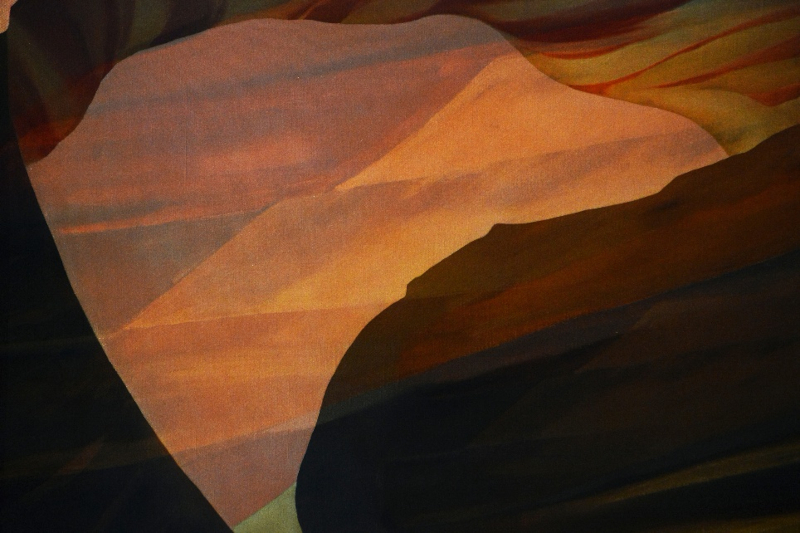
This image comes from an overlay of parts of several paintings by Georgia O’Keeffe, who loved and painted extensively in this part of the world.
A bear emerges from the colors, light and shadows of the canyons and deserts of the American Southwest. Layer upon layer of sandstone, cliffs and rivers, sky and water blend in never-ending cascades of gold. Perhaps these are the cities of gold the natives told the Spanish of, but the short-sighted, treasure-seeking invaders never thought to look up from the dusty earth beneath them.
This bear image is also a spirit and a fetish, a very real part of me. In the canyonlands there are many animals whose skills and powers are important to the survival, skill, and wisdom of all living beings, so Native Americans created individual and tribal bonds between these creatures, the eagles, bison, bears, turtles, and many others, and themselves, their tribes, and their children. This remarkable chimera is a bear, an image of the canyonlands and an earth spirit all in one.
A fetish shares the essence of one’s soul. This bear is serene, watchful, radiant, powerful, the embodiment of the creature I want to be in the place I want to inhabit, its sandstone walls the color of dawn and home to a wide world of animals and plants, climates and sounds. It is peaceful until it isn’t. Then it is filled with thunder and lightning, births and deaths. But just as quickly, it comes to rest again radiating every color under the sun and moon and filled only with the sounds of the wind and rain and little birds.
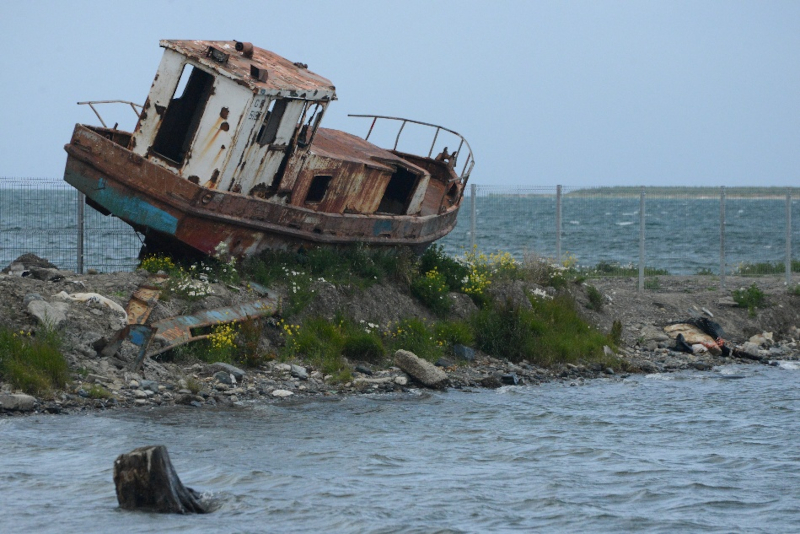
Puerto Natales, Chilean Patagonia
TS Eliot’s Dry Salvages are off the coast of New England, USA
One of TS Eliot’s Four Quartets references this kind of place. I do not pretend to know how to describe the water and rocks better than this: “…ever implacable, keeping his seasons and rages, destroyer, reminder of what people choose to forget, unhonoured, unpropitiated…” It is a place where things, especially old things, get stuck and can’t get off again. Rocks or ridges or valleys, or traumas we can’t get over, sadnesses, voices even.
Even if they’re not our boats or our memories, places like this, reminders like this, can be useful for gathering spare parts, scrap ideas, voices from the past and turning them into new treasures to start the cycle again.
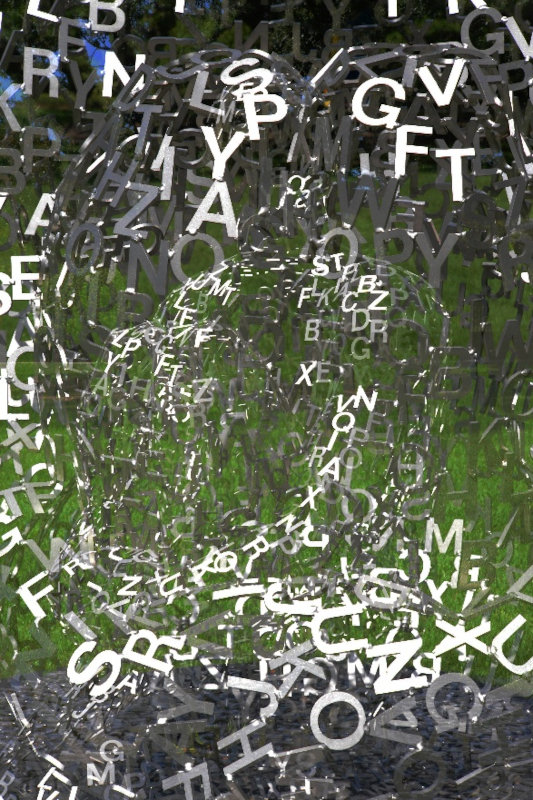
New Orleans, USA
Letters like sugarplums dance in my head. I’ve been told there are stories on that page, wonderful stories of bears and children who can walk through magic doors, and space ships and giant peaches, but I cannot read them. Letters switch around all over the place. Some don’t look like letters at all and don’t make the words they’re said to. How am I supposed to understand?
Think how it would sound if someone spoke to you in three different languages at the same time. You catch one word perhaps but lose the next few and can’t catch up. The story makes no sense. That letter is supposed to be an A, but often it’s not. You say that sentence says this, but I can’t find any sentence. I’m walking in a forest filled with mirrors and booby traps and then submerged in a swirling ocean filled with underwater waves, mazes and imaginary creatures. Oh, Alice, how did you make it through Wonderland?
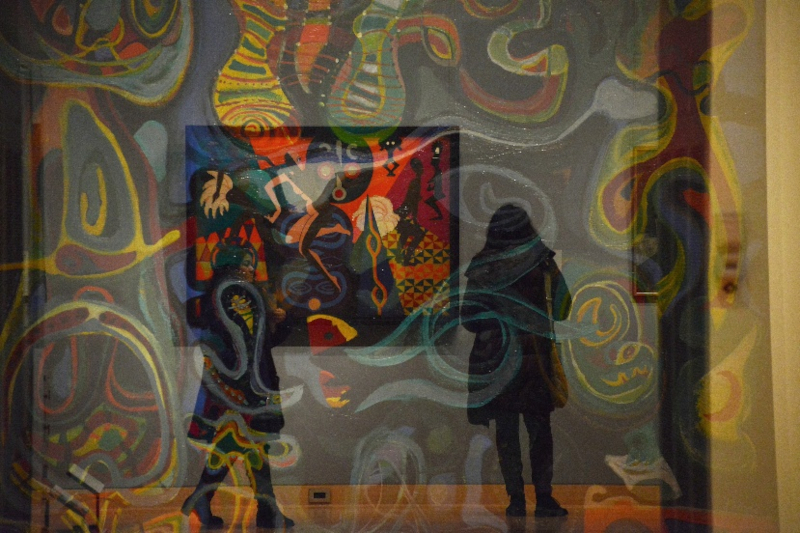
MFA, Boston
Really? What a world we live in. Or do we? Do you see it this way, filled with curlicues and wild colors? Perhaps not always, but I’m sure sometimes. Is that what math or music looks like to you? Synesthesia. Great for artists but not for most builders or engineers, except Gaudi, perhaps.
Life is never simple. It is better to see a world like this and be able to pause, wonder, float, enjoy, then walk past it to a simpler room than live inside it all day long. But what if beyond that frame and doorway the shapes continued to infuse your realities, your work and relationships? Then you’d have to find a place with understanding and supportive friends. Matisse did, Van Gogh did not, sadly.
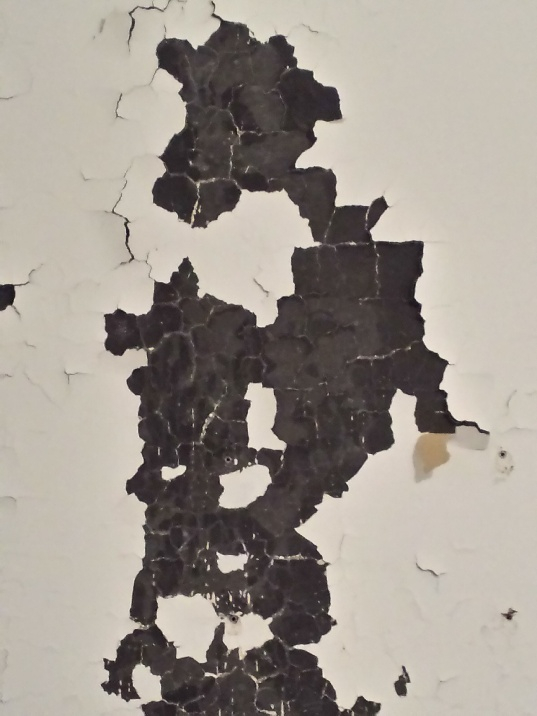
Peeling paint, New Orleans, Louisiana, USA
As far back as I can remember I loved to bang on things, pots and pans and drums of course were best, but people’s heads and whatever else that caused noise were good, too. Glasses of no matter what and beer cans worked. So did xylophones and gamelans but they were rare. Music was all around me as I was growing up. I was pretty cool, and New Orleans likes cool, and loud, and jazzy.
But then, like many of my friends, I got in trouble. Other pictures of me started to appear on walls and some of them were pretty bad. But this old one I’ve always liked. It’s cracking now but that’s cool. My old tunes still groove with it.
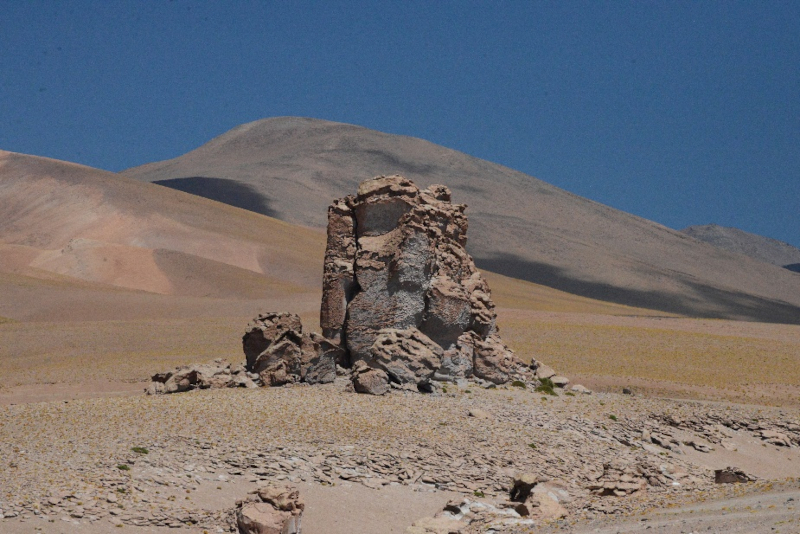
Atacama Desert, Chile. Single exposure
“Look upon my works, ye mighty, and despair. No thing beside remains. Round the decay of that colossal wreck, boundless and bare, the lone and level sands stretch far away.”
Here, high in the Atacama Desert of northern Chile sits this stone, a massive, angry head staring off into the desert, challenging all who find him to bow down to his crumbling myth and silenced voice. All that is left to him is the stark reminder of our human transience. “Rage, rage against the dying of the light”, everyone, everywhere. (Shelley) (Thomas)
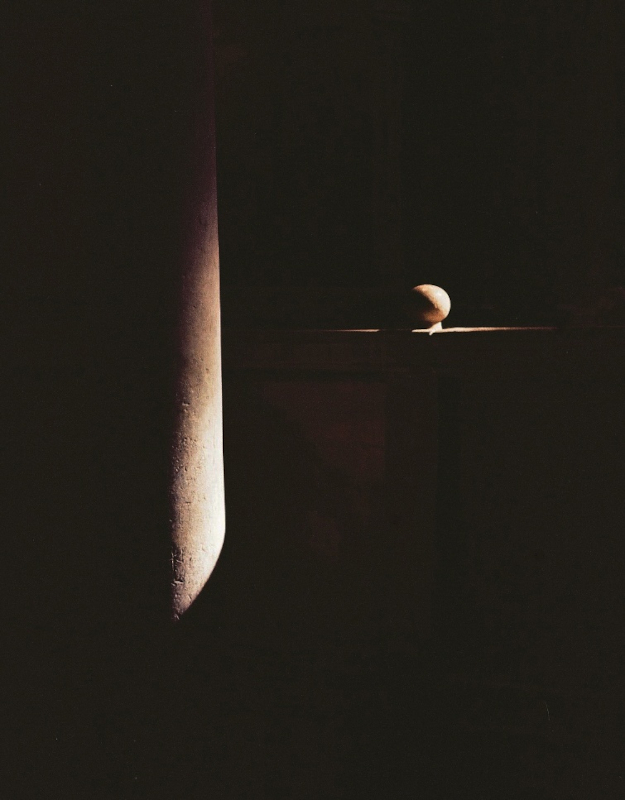
Santa Maria in Cosmedin, Rome, Italy
Simplicity of place can be found almost anywhere if you seek it out. It may be in a forest or by an ocean or stream, on a mountaintop or in a sunny or shadow-filled room. Churches spend much of their lives offering wonderful meditation spaces, and this is one, in Rome. It is late afternoon. The light has not yet changed to its evening colors, but the shadows are long, encouraging you to think about the day and years behind and the evening and days ahead. The simplicity of this place helps you clear your mind and let it wander, if that’s what you want, or focus on the truths this light reveals, about yourself, why doves coo or the nature of miracles.
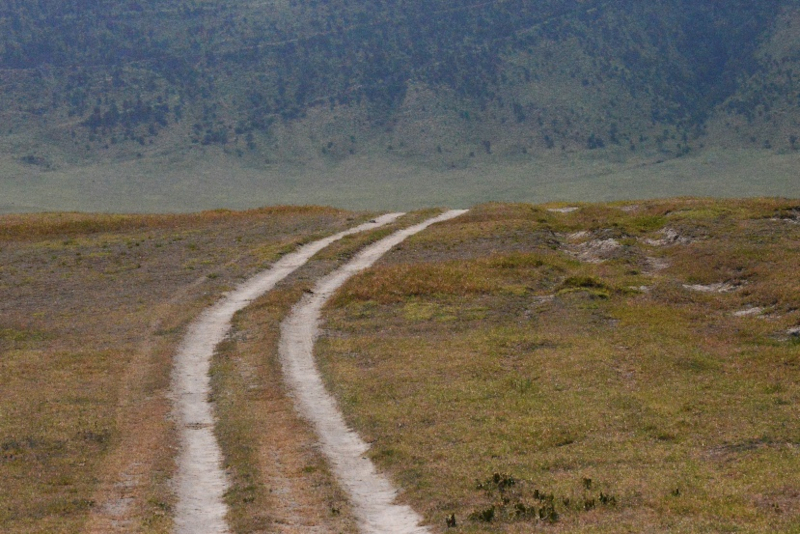
Tanzania
For some, the unknown is fearsome—look at it, empty, filled with ghosts and demons, half-realized, waiting to surprise, attack. For others, it is where we want to be.
Unknowns are an opportunity to discover, solve for x, see a new horizon, find a new friend or species, a new mechanism, a new element, a new galaxy. Unknowns are there to be found. They are cousins of inventions, creations that are waiting to be made. Both are dangerous, take courage to face, are essential, each in its own way, and can be found anywhere, if you look for them. Depending on who you are, you can approach them slowly and cautiously, strategically, or you can run on, full speed ahead, ready to take on anything you find over the brow of that beautiful hill.
You’re curious. Good. Over this particular hill is a pride of lions, and they will be as interested as you are in the outcome.
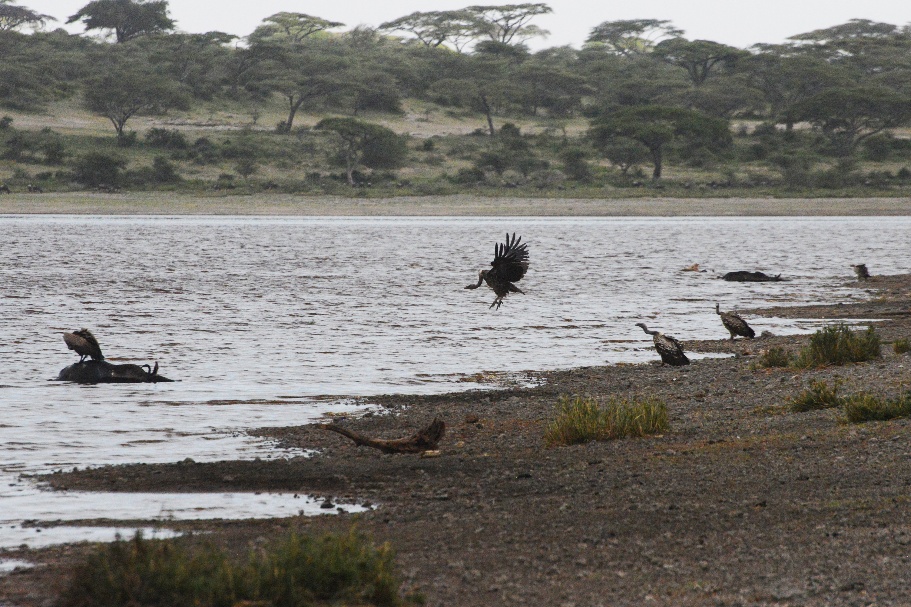
Tanzania
Every year millions of wildebeest and zebras, with lions, cheetahs and hyenas in their wake, migrate in a great circle around the Serengeti plains following the growing patterns of grasses that they feed on. There are so many of them that they stir up dust storms. Amidst this vast parade, the wildebeest run back and forth, fast and slow, here and there with so little apparent logic that they confuse their smarter friends the zebra who lag behind a little, walking and watching with bemusement. The zebra, by the way, have a great sense of play and fun. They run around kicking their heels up and braying at each other, and perhaps at the wildebeest.
The predators amble, rest, and trot alongside watching for a weak one they can pick off. It is a movable feast. The great ones feed first, then the lesser ones, then the fearful ones, then the rest in a dance of opportunity and speed of foot and wing. Late in the game come the carrion birds, the vultures and others, picking slowly at all the tasty sinews left behind by others too powerful and self-important to wait. The birds don’t seem to care what they look like or are called, they just want their share without the risk. Still, they do squabble over the remains like drunken pirates.
The edges between land and water are often critical junctions. Most beings need both, but sometimes the transition is too difficult, too dangerous, and here the great migration of the wildebeest ends for some.
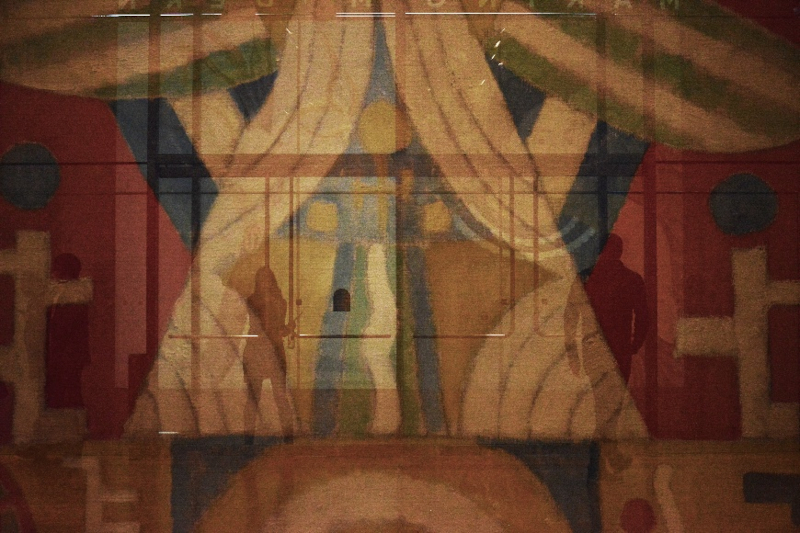
MFA, Boston
Some of us are always on stage, know it or not. Sometimes that’s because we think people are watching us, or at least we want them to, sometimes it’s because people are. The clothes we wear may help create this atmosphere, and the places we stand, and the way we talk.
Sometimes it’s just natural, just as a place may be naturally beautiful no matter what the weather. Sometimes music surrounds us or light falls off us perfectly no matter where we are. That is sometimes lucky, sometimes not, but the rest of us should enjoy the beauty wherever it is for that moment and always.
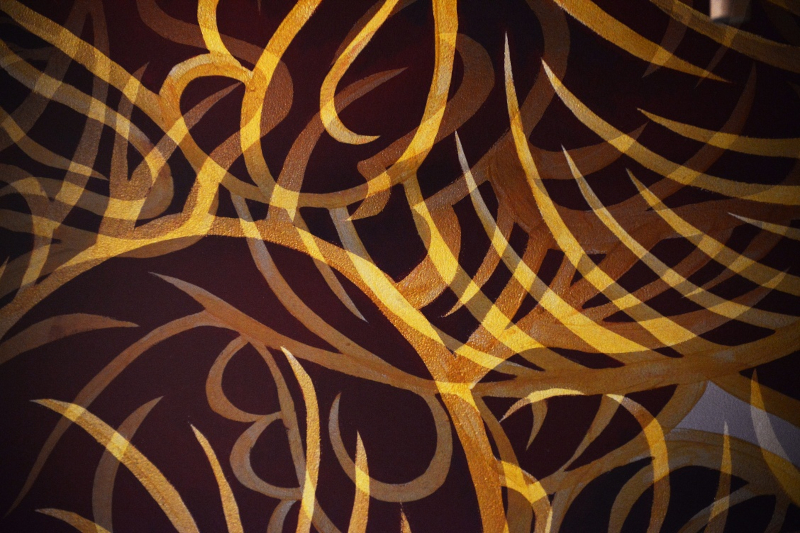
Kyoto, Japan
Rippling through the shadows like quavers of an ancient fear, he haunts the silence, there, and then not there again. His darkness is as fearful as his light, his silence is as deadly as his roar. Where is he? A nightmare past, a shark beneath the waves, invisible now and yet more terrifying. Then, burning bright, he flashes like a burnished sword, consumes and vanishes.
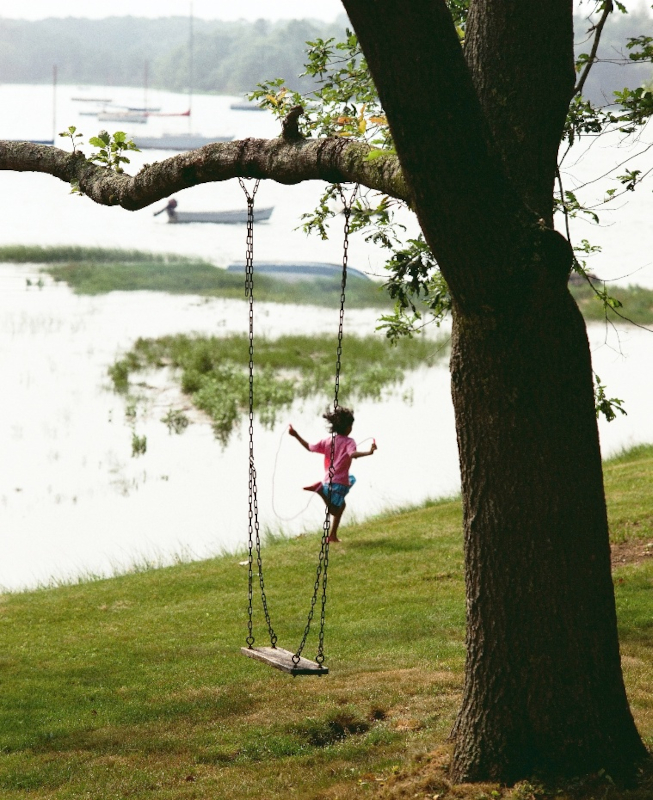
Cape Cod, USA
Skipping, swinging, running, flying—what all childhood summers should be filled with—the simplest yet purest of pleasures. Those were carefree magic days and rightly so.
Hopefully we all have memories like this, if not of ourselves, of other children. Or adults. And even of now. These images are what painters and poets imagine and elaborate on. By Banksy or Prendergast or Renoir. There is something about summers and swings and skip ropes that say carefree. The importance of flying free like a bird, which we have all wanted to do at one time or another, the wind in our face, the earth throbbing around us. But not just children think this as joy, relaxation. Adults have their skip ropes too, be they fishing rods or boats or racquets or planes or pens.